
Myofascial Release Therapy Services & FAQ
Services
What is Myofascial Release Therapy?
And other FAQ’s
What is myofascial release therapy?
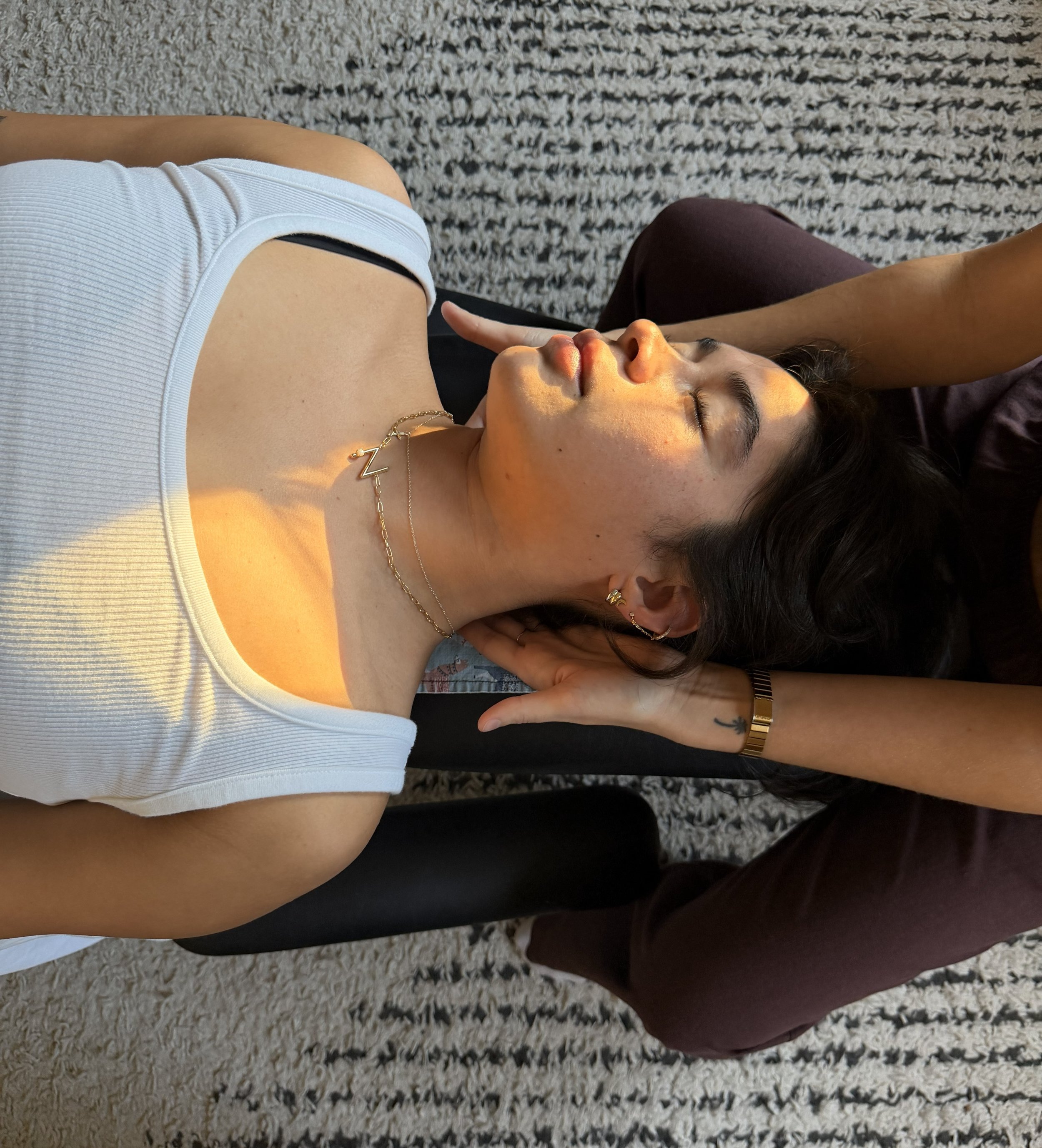
John Barnes Myofascial Release Therapy, more commonly known as MFR, is a gentle hands on therapy that helps reduce chronic pain and tension in the body, improve your mobility, and help you get back to an active lifestyle. By working directly with your fascia, we can take pressure off pain sensitive structures and create change on a global level throughout the body. An important aspect of MFR to remember is that your body already knows how to heal- MFR gives it extra support to get there.
What is fascia?
Fascia is a three dimensional, weblike connective tissue enveloping the entire body. It covers your muscles, bones, nerves, and organs, down to the cellular level, influencing everything underneath and within it. When fascia gets restricted it puts pressure on the rest of your body, similar to when you tighten a seat belt, creating physical symptoms. This three dimensional web is linked to our nervous system and trauma, stress and emotions can get stuck there. When we experience fear, trauma and stressors, our body will brace to protect ourselves (knowingly or unknowingly), and our fascia can get stuck there in a bracing pattern and survival mode which can add to physical symptoms and health problems.
How is this different than massage?
MFR is a whole body approach that addresses the root cause of the pain, not just the symptoms. This technique requires very light pressure held over a period of time. There are no traditional massage strokes, lotion or oils that are used. With MFR, inflammation decreases, lymphatic fluid can move and eliminate toxins, and your nervous system is reminded that you’re safe. MFR gives you long lasting results.
“I notice a significant improvement in mobility and chronic pain reduction after each session.” - Katherine C.
What can I expect during a session?
First, we’ll review your history and the goals you’d like to achieve with MFR. Then, I’ll observe and evaluate your posture and the holding patterns of your body to help assess where the fascial restrictions are and start releasing them. During the session I’ll address your symptoms, while looking elsewhere for the root cause.
What kind of symptoms/conditions does MFR help with?
MFR can help with symptoms/conditions such as low back pain, TMJ pain or dysfunction, neck and shoulder pain, sciatica, fibromyalgia, IBS, plantar fasciitis, thoracic outlet syndrome, lymphatic restrictions, menstrual problems, chronic tension/tightness, limited mobility and range of motion, repetitive stress injuries, recent/old injuries, headaches/migraines and so much more.
“I’ve been seeing Hannah regularly for TMJ pain, back issues and general self care - MFR has made a huge difference.” - Angelyn H.
How soon will I notice relief?
Many people will notice relief in the first session, but MFR is not a “one and done” or “six and fixed” type of therapy. Most people start to notice more significant changes around the third or fourth session and will want to continue consistent treatment past that to ensure the changes stick. Healing isn’t linear and every body is different so we can’t predict exactly how many sessions you’ll need.
I have previous injuries and/or a medical condition, is MFR safe for me?
Yes, MFR is gentle and generally safe. We’ll discuss any areas of contraindication or areas you’re just not comfortable with being worked on before treatment begins and your sessions will be tailored to your needs. Some conditions may require a medical release from your health care provider and this will be addressed during your intake forms prior to your appointment.
“Hannah really helped me work through a hamstring issue that had been bothering me for months. MFR is a gentle and intentional practice that supports long term healing.” - Sallie W.
How do I know if this is right for me?
MFR is for you if:
You’re experiencing pain, tension, or restriction of movement and don’t want to be
You’re looking for long lasting results, not a temporary quick fix
You’re looking for a safe and natural form of therapy
You’re serious about your healing journey
You’re missing out on life due to pain
You’re tired of spending time and money on other modalities that don’t work
What do I wear for this type of therapy?
For men, please bring a pair of loose fitting shorts (running shorts or sweat shorts). For women, please wear a loose fitting tank top/cami/bralette and loose fitting shorts. Avoid tight spandex. Please refrain from wearing any body lotions/oils, perfumes/cologne or anything with fragrance.
Do you accept insurance?
No, but I do provide the insurance CPT code for massage and bodywork on your receipt so you can submit to your insurance company for reimbursement if necessary.
What kind of payment do you accept? Do you accept tips?
I accept all major credit/debit cards as well as FSA/HSA cards (please confirm with your insurance that massage/bodywork is covered). I don’t accept tips and the price you see listed above is all you will pay. I do love referrals, so if you know someone that could benefit from MFR feel free to send them my way.
What can I expect after my session?
Everyone is going to feel differently after their session. Some will feel like tackling their to-do list and others may want to take a nap or just take it easy the rest of the day. I recommend increasing your hydration significantly, and avoiding rigorous activity right after your session such as weight lifting or vinyasa yoga. Stick to more gentle practices like walking, restorative yoga and listen to your body - it has the answers.
I have another question that isn’t answered here
Get in touch with me at hannah@harmonybw.com